How Managed Workspaces Support Sustainability in Business Operations
 09 Sept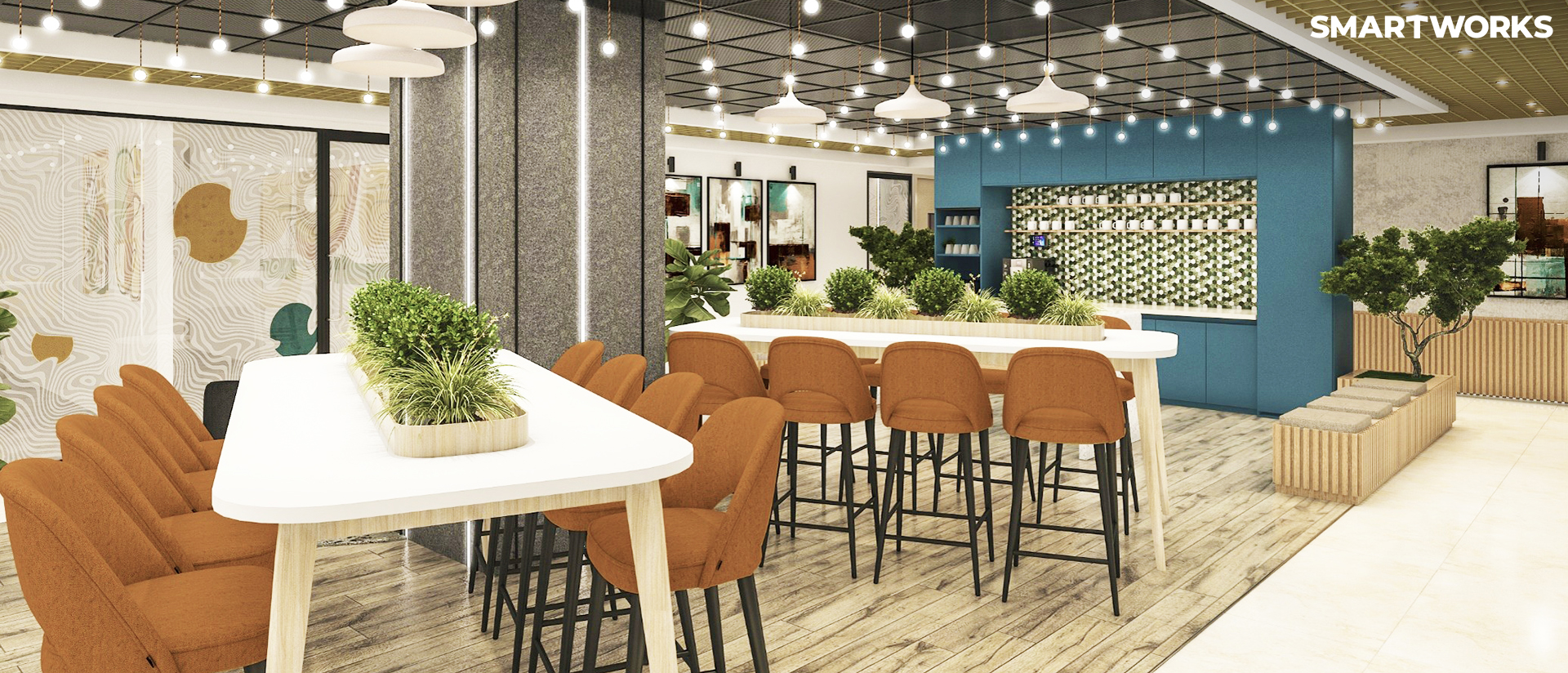
Businesses dedicated to reducing environmental damage now include sustainability as a core component in their decision-making. Managed workspaces represent a promising option that harmonises sustainable building elements with adaptive office accommodation, along with cost-efficient preparations. Managed workspaces enable companies to achieve business development and sustainability targets while pursuing responsible corporate environmental practices worldwide.
We will discuss how managed workspaces enable sustainable business practices, followed by practical advantages for businesses using prime locations such as Bangalore, Hyderabad, Noida, and more.
What Are Managed Workspaces?
Office spaces under the category of managed workspaces provide fully equipped facilities, including office furniture, operational systems, cleaning services, and utility management services. Multiple businesses or teams can use these shared spaces, which provide flexible lease options alongside adjustable office space dimensions.
Custom-built offices become available for rental by companies that need flexible spaces without conventional office leasing expenses and lengthy commitment periods. The inherent flexibility and efficiency of managed workspaces contribute to their growing popularity across urban centres. Managed Workspaces are the ideal way to go.
The Role of Managed Workspaces in Promoting Sustainability
3.1 Reducing Carbon Footprints
Managed workspaces achieve maximum sustainability through their ability to minimise the environmental impact that single business operations can have. Corporate synergy happens when businesses share power supplies and office equipment, along with water supplies, to cut back on wasteful spending. Multiple occupants using a single workspace requires fewer structures to accommodate them, thus decreasing structural energy consumption and building-related emissions.
Flexible workspaces ensure central urban access, which enables employees to reach their workplace without generating high carbon emissions from commuting. Operations centralised within single locations push people to select public transportation, thus supporting green practices.
3.2 Energy Efficiency and Green Certifications
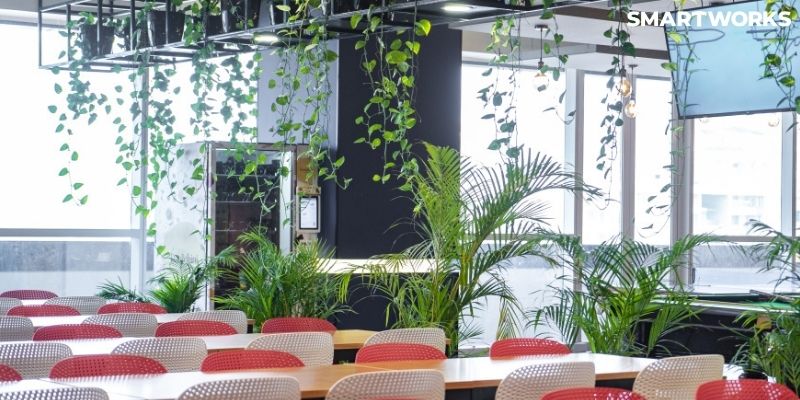
Many workspace providers are adopting energy-efficient systems, using smart technology to optimise lighting, air conditioning, and heating. Buildings that house these workspaces often achieve green certifications like LEED (Leadership in Energy and Environmental Design), which signifies that they meet rigorous standards for sustainability in building construction and operation.
For example, some spaces often integrate energy-saving systems such as LED lighting, water-saving fixtures, and automated temperature controls. These measures reduce energy costs and contribute to a more sustainable environment.
Flexible Office Spaces: Reducing Resource Waste
The flexible nature of managed workspaces provides businesses with unmatched adaptability so they can maintain operational flexibility based on their dimensional requirements. The flexible management nature of these spaces prevents corporate money loss through expenses for surplus facilities and space utilisation. Many companies can lease flexible spaces that customise office needs without the requirement of keeping big, unproductive facilities.
Shared workspaces equipped with collectively used resources such as printers, conference areas, and kitchens result in maximum resource usage while simultaneously minimising unnecessary waste. The sustainable office asset management improves through this system.
Cost-Effectiveness and Sustainability Go Hand-in-Hand
Sustainability isn’t just about environmental impact; it's also about economic viability. Managed workspaces provide businesses with the cost benefits of shared infrastructure without compromising on operational needs. The financial savings that come with using a managed workspace allow businesses to reinvest in other sustainability initiatives, such as eco-friendly product offerings or reducing their own supply chain footprint.
With no upfront costs for office design or maintenance, businesses can prioritise their sustainability goals without the added burden of overhead expenses. This makes flexible, fully serviced workspaces an attractive choice for enterprises that want to balance profitability with environmental responsibility.
Conclusion
Fully serviced workspaces help organisations reduce their environmental footprint by offering sustainable practices that support long-term growth. These offices are designed with energy-efficient technologies and shared resources, integrating eco-friendly features with cost-effective infrastructure. Operating from such environments allows companies to access prime locations while lowering their carbon impact, cutting expenses, and advancing broader sustainability goals.