The Rise of Managed Office Space in India: Built for How Businesses Actually Work
 02 Jan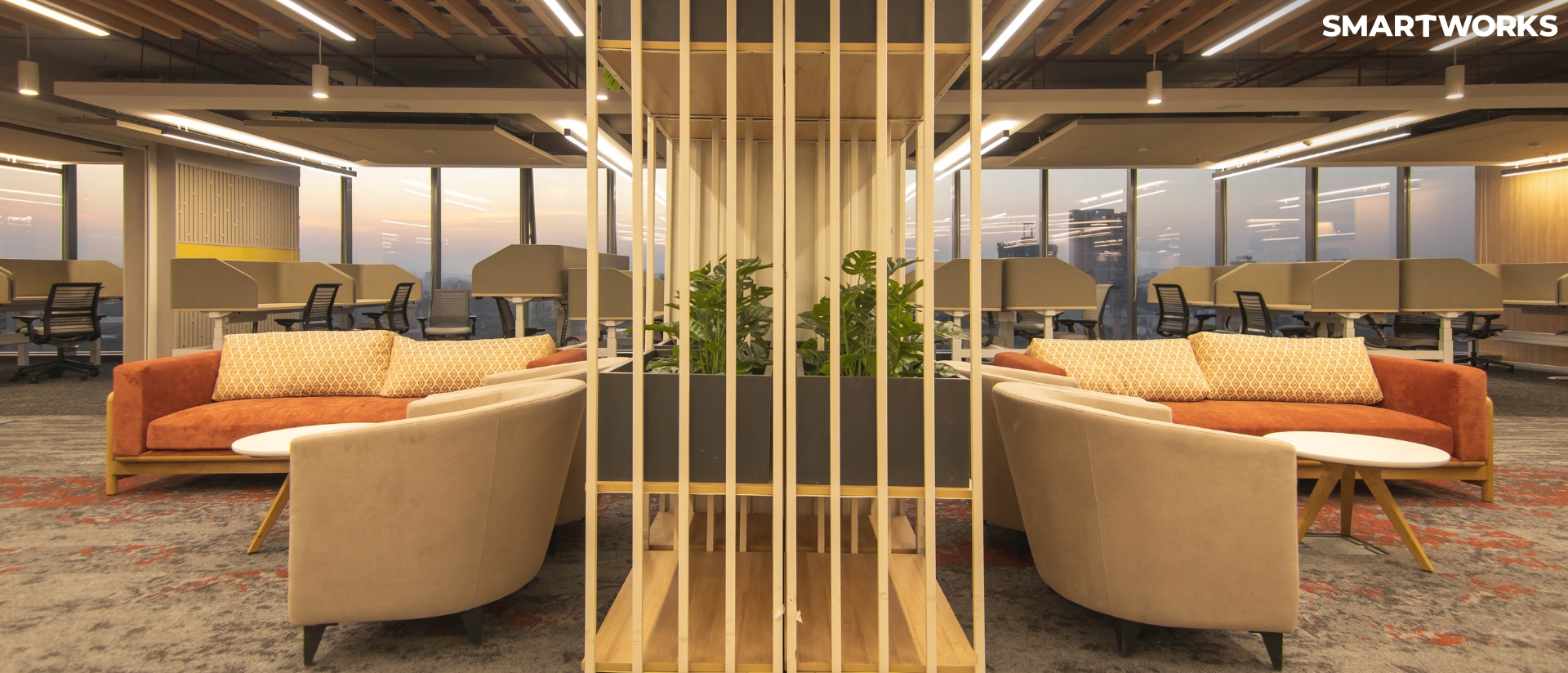
Managed office space is the fastest-growing workplace model in India because it offers flexibility, faster setup, and predictable costs. Companies are moving away from long-term office leases and choosing fully managed workspaces that allow them to scale teams quickly without operational complexity.
Managed office space in India has quietly become the preferred workplace model for startups, scale-ups, and large enterprises alike. Without long lease lock-ins or heavy upfront investments, companies are moving away from traditional offices and toward fully managed workspaces that offer speed, flexibility, and predictability. This shift isn’t driven by trends or buzzwords. It’s a practical response to how modern businesses operate.
Where headcounts change fast, hybrid work is normal, and offices must be ready to function from day one. Managed office spaces remove the complexity of setup, operations, and maintenance, allowing teams to focus on growth instead of real estate decisions. As Indian cities evolve into dynamic business hubs, managed office solutions are no longer an alternative. They’re becoming the default choice for companies that want offices to behave like a service, not a long-term liability.
The Quiet Relief of Letting Someone Else Handle the Chaos
The appeal starts with something simple. Predictability. Companies like knowing that their office won’t suddenly demand more money, more maintenance or more firefighting than planned. A managed workspace hands over the keys and says: Relax, we’ve already sorted the furniture, the infrastructure, the tech backbone, the compliance, even the air quality and coffee machines. You walk into an environment that feels intentionally built rather than stitched together by ten different contractors who never showed up on time.
There’s also the matter of speed. Traditional offices move at the pace of cement drying. Managed office spaces move at the pace of business goals. A company expanding from a 50-seater setup to a 300-seater operation doesn’t want to lose six months negotiating leases, supervising construction, or approving workstation layouts. They want their team inside a fully functional office next month. Office space models make that possible because they’ve spent years standardising the invisible machinery behind fitouts. The user only sees a ready space. The operator handles the chaos behind it.
Why Speed Matters More Than Square Footage
The answer is simple! No one wants to be stuck with a five-year lock-in when headcounts swing every quarter. Managed office space solutions remove the fear of overcommitting. If teams grow, you scale. If they shrink, you adjust. If you need hybrid zones, quiet pods or collaboration-heavy floor plans, the operator reconfigures the environment without making you tear down walls or redo budgets. It’s office space that behaves more like a service than a real estate asset.
A big part of the growth also comes from the way modern companies view experience. People don’t want lifeless white boxes. They want workplaces that support how humans work. Comfortable lounges that don’t feel like waiting rooms. Meeting rooms where tech connects in seconds instead of ruining the first twelve minutes. Lighting that doesn’t feel like interrogation. Biophilia that isn’t just a lonely plant near the exit.
Managed workspace providers obsess over these details because design isn’t a side quest. It’s the core product. The result is an office that people genuinely like coming to, which quietly improves morale, culture and retention. This shift is most visible in India’s primary business hubs. In cities like Bangalore, companies are increasingly opting for office space for rent in Bangalore to scale faster without long-term lease commitments.
The New Office Culture: Experience First, Infrastructure Second
While this sounds like something a startup would love, the real acceleration has come from enterprises. Large companies have discovered that setting up satellite offices, innovation hubs, or project-specific war rooms becomes far easier when someone else manages the ecosystem. Once enterprises warm up to a model, growth naturally follows.
Cost is another unglamorous but decisive factor. Managed workspaces convert what used to be capex-heavy decisions into predictable operating spends. No surprise refurbishments. No separate payments to facility teams. No sudden repair bills because a contractor used the wrong wiring. All of it sits inside a single contract, which makes the CFO sleep better at night. The actual number isn’t always lower than a traditional office, but the stability is worth more than it looks on paper.
There’s a cultural advantage too. Younger workforces respond well to offices that don’t feel stuck in the previous decade. They want spaces that blend professionalism with ease. A managed office space ticks that box without making the company seem frivolous. It’s functional without being boring, polished without being intimidating, and modern without being tech for the sake of tech.
If you zoom out, the rise of managed office solutions is really a reaction to how unpredictable work has become. Companies want the freedom to change outcomes without dragging real estate along like a stubborn anchor. They want to invest in business and talent instead of getting pulled into figuring out the square feet, tiles and networking cables. They want an office that grows with them rather than one they outgrow before the lease expires.
That’s why managed workspaces keep expanding across cities. Not because they are trendy. But because they solve problems that everyone was tired of solving themselves. And because, for the first time in years, the office feels less like a financial liability and more like a living, responsive part of the business.
In a world that refuses to slow down, this model simply keeps up.