Office Space Design That Improves Employee Experience
 01 Dec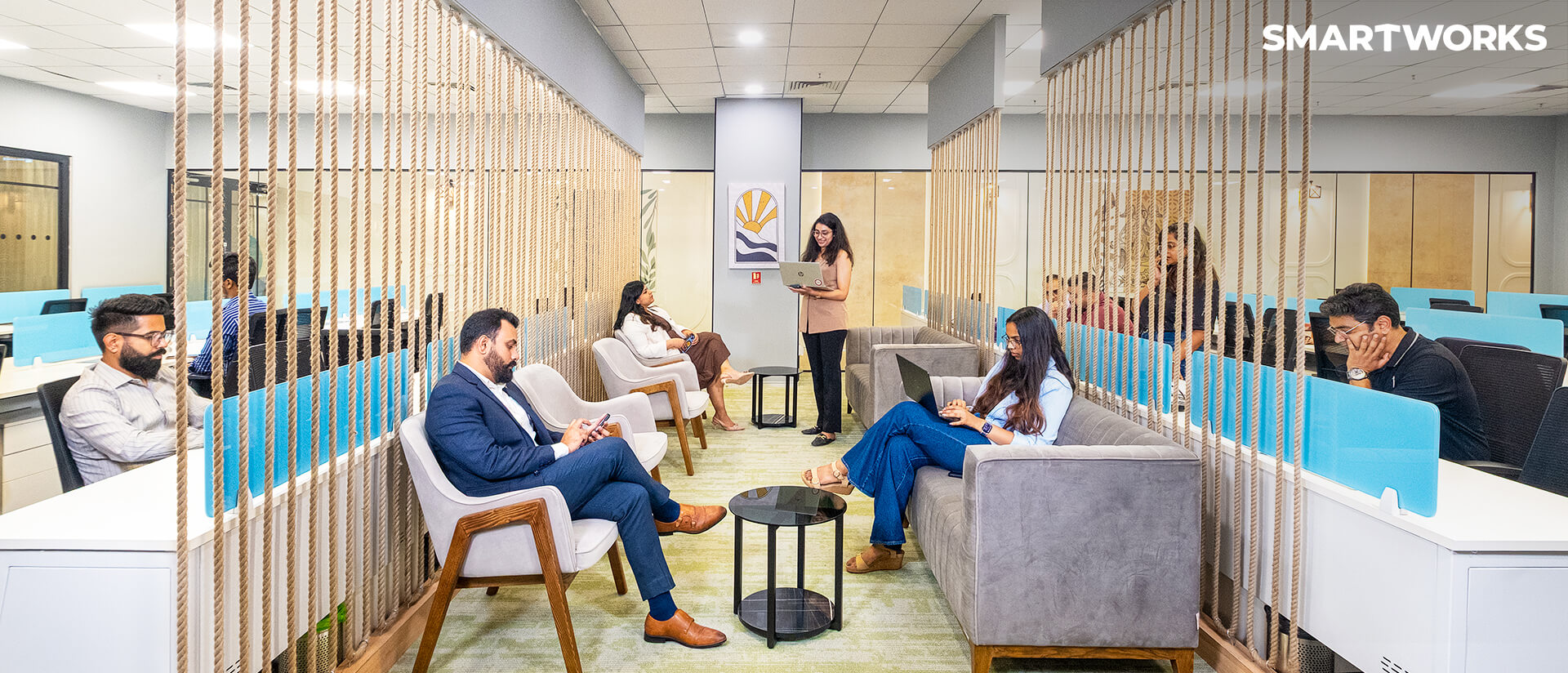
The Art of Creating Office Spaces Employees Actually Want to Use
Step into an office space these days, and you can usually sense, within moments, whether people actually like being there or they’ve just shown up because they must. There is a noticeable shift in the atmosphere when a workspace is designed with real intention. Not the token corporate version of it, but something grounded in human behaviour. You see employees settling in instead of calculating their exit.
Conversations feel easier. The day doesn’t feel like something to endure. And despite what trend boards on office spaces may suggest, this environment isn’t created by beanbags or elaborate coffee machines. It comes from thoughtful design that reflects how people work when they feel their best.
Light, Layout and the Subtle Science of Comfort
One of the most important shifts has been the move away from rigid layouts. People don’t work in straight lines or in boxes, so their environment shouldn’t force them into one. The most successful offices today feel a bit like neighbourhoods. You drift between pockets of energy. A warm corner for quiet tasks. And somewhere else, a more peaceful spot, probably a booth where the day pauses just long enough for you to catch your breath and gather yourself.
A buzzing collaborative nook when you need conversation. A space for deep focus that doesn’t punish you for requiring some silence. These transitions make employees feel like the space understands them. Not the other way around. And when a workspace adapts to people instead of confining them, the entire rhythm of the day feels more natural. It turns the office into a place that supports work instead of choreographing it.
There’s a reason light keeps coming up in every conversation about workplace design. Humans gravitate toward sunlight like houseplants with opinions. Natural light shapes mood, clarity, and even basic patience. A company employee stepping into a well-lit space will almost always have a better start to their day than someone walking into a dim, artificially lit cave. And it shows in behaviour. They’re less irritable. More open. Less drained by mid-day.
But the real turning point for office spaces is acknowledging that people are not machines. They need micro-rests. They need visual softness. They need a layout that doesn’t make them feel observed all the time. Privacy isn’t a luxury; it’s fuel. Collaboration and socialising are just as important. Spaces that encourage organic interaction outperform those that rely on forced team bonding, a shift that’s increasingly visible across Tier-2 cities as companies rethink where and how they build offices.
Companies that understand this shift treat office space like a cultural amplifier. Not a cost centre. Something as simple as plants, familiar textures, or artwork that isn’t chosen by an algorithm can make the space feel grounded, lived-in, and warm. You can spot the difference right away. People stay back to finish something because the environment doesn’t push them out.
Of course, not every office gets it right. Some spaces confuse aesthetics with experience. You see it in those dramatic design choices that look innovative but exhaust employees quietly. Chairs that are beautiful but impossible to sit on for eight hours. A workspace shouldn’t feel staged or discomforting. It should feel usable, lived in, and a little forgiving on the days when everyone’s running on low battery.
What Modern Employees Actually Want from a Workspace?
The offices that work well today follow a simple truth. Employees want a space that supports the rhythm of real work. Work that changes hour to hour. Some moments require focus, so deep you forget the world exists. Others need debate, laughter, or quiet alignment. A good office doesn’t choose one. It makes room for all.
The pandemic changed the stakes too. When people proved they could deliver from home, the office had to earn its relevance. It had to become a place worth the commute. The companies that adjusted early looked beyond perks and workstations. They leaned into environment, culture, and ergonomics. They built spaces that make people feel steady and welcomed, even grounded. Not drained by the time the clock hits four.
And company employees notice. They know when a company has invested in creating an environment that respects their well-being instead of simply filling a lease. The energy shifts. The culture strengthens. Work feels a little less like a daily battle and a little more like a shared experience.
The art of crafting office spaces people actually want to use isn’t mystical. It’s observational. It’s rooted in the very simple question: how do humans work when they feel good? And once you get that right, the office becomes more than a place to clock in. It becomes part of how people do their best work. A place that lifts the weight off the day instead of adding to it. A space that reminds people they matter as much as the KRAs they’re here to meet.