Why Startups Succeed Exponentially with Managed Offices
 25 Sept
If you’ve ever worked at a startup, you know the vibe. One month, it’s ten people squeezed into a tiny room with beanbags, the next month it’s fifty people trying not to trip over each other’s laptops. Growth is thrilling, but finding the right space to match that growth? That’s where the headaches usually begin.
This is exactly why a new wave of founders is skipping the “lease-and-please” model and moving straight into managed office spaces. And spoiler alert: it’s not just about saving money (though that helps). It’s about time, flexibility, and letting someone else sweat the small stuff, so startups can focus on the big stuff.
The Old Office Struggle (And Why It’s Outdated)
Traditionally, if a Startup Wanted an Office, It Had Two Options:
- Sign a long-term lease (complete with deposits that could fund a seed round), or
- Camp in a co-working space, with neon beanbags and questionable coffee.
Neither of these really works once you start scaling. Lease agreements lock you in for years, and co-working can feel like a college library with better Wi-Fi. Startups need agility. Teams grow fast, shrink, or pivot, sometimes all in the same quarter. That’s where managed offices step in, serving as the perfect middle ground.
So, What’s a Managed Office Anyway?
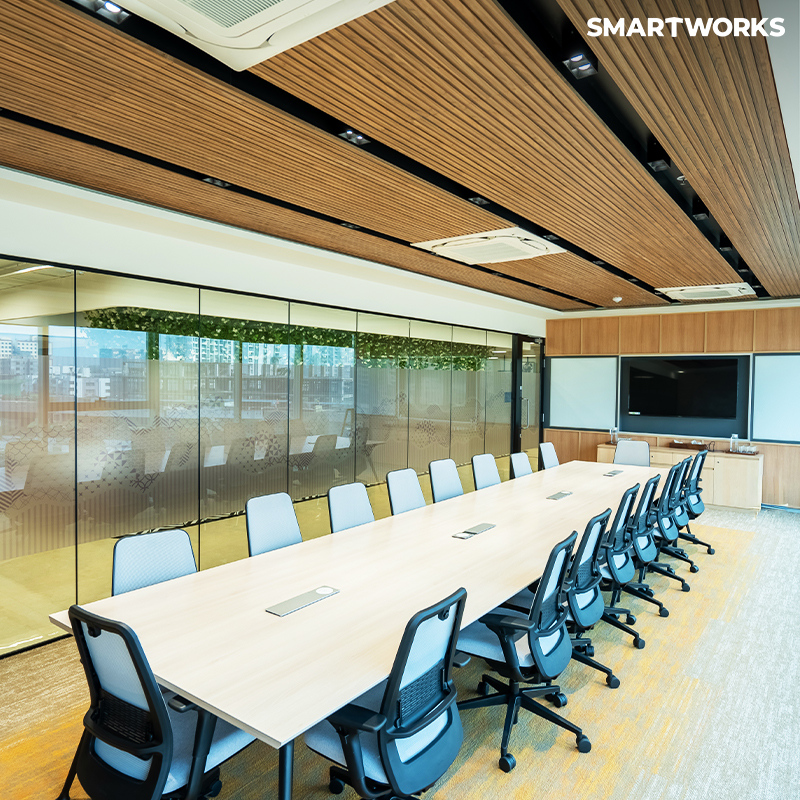
Think of it as “office-as-a-service.” You get a private, branded space, designed, furnished, and maintained by experts, without having to play landlord, facilities manager, or part-time plumber. Everything from IT support and housekeeping to cafeterias and gyms is handled. Your team just walks in and gets to work. In other words: no haggling with carpenters, no late-night router troubleshooting and definitely, no surprise electricity bills.
Why Startups Love It?
1. Flexibility That Matches Startup DNA
Startups don’t grow in neat, predictable numbers. A team of 20 might double in three months, or shrink back down if the market turns. Managed offices let you scale up (or down) without the guilt of empty chairs or the nightmare of relocating every six months.
2. Cost-Effective Without Cutting Corners
Founders love talking about “runway,” and every rupee counts. With managed spaces, you skip the upfront costs of interiors, furniture, and infrastructure. You pay for what you use, and someone else keeps the lights (literally) on.
3. Amenities That Keep Teams Happy
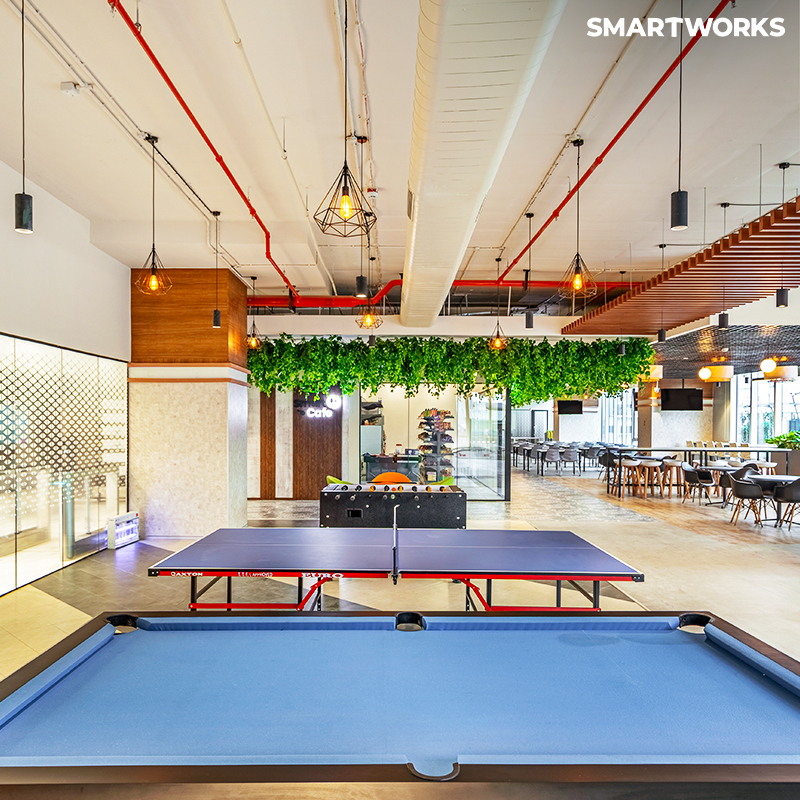
Let’s be honest: perks matter. A buzzing cafeteria, a fully equipped gym, or even just thoughtfully designed common areas can make a world of difference in morale. It’s the kind of stuff that makes employees say, “Hey, this place gets me.”
4. Location, Location, Location
Being in the right neighbourhood is half the game. Managed offices are popping up across prime business hubs making it easier for startups to be where the talent (and investors) is.
5. Focus on What Actually Matters
When your office Wi-Fi crashes or the AC leaks, productivity tanks. Managed offices eliminate these “death by a thousand cuts” moments. Founders and teams can focus on building the next unicorn, not chasing after electricians.
The Bigger Picture
Startups don’t just want an office anymore, they want an experience. A space that’s professional enough to impress investors, flexible enough to handle pivots, and cool enough to keep employees excited to show up on Monday.
Managed offices tick all those boxes. And as India’s startup ecosystem continues to boom, this model isn’t just a trend, it’s becoming the default. In the world of startups, speed is everything and managed offices just happen to be the fast lane.